

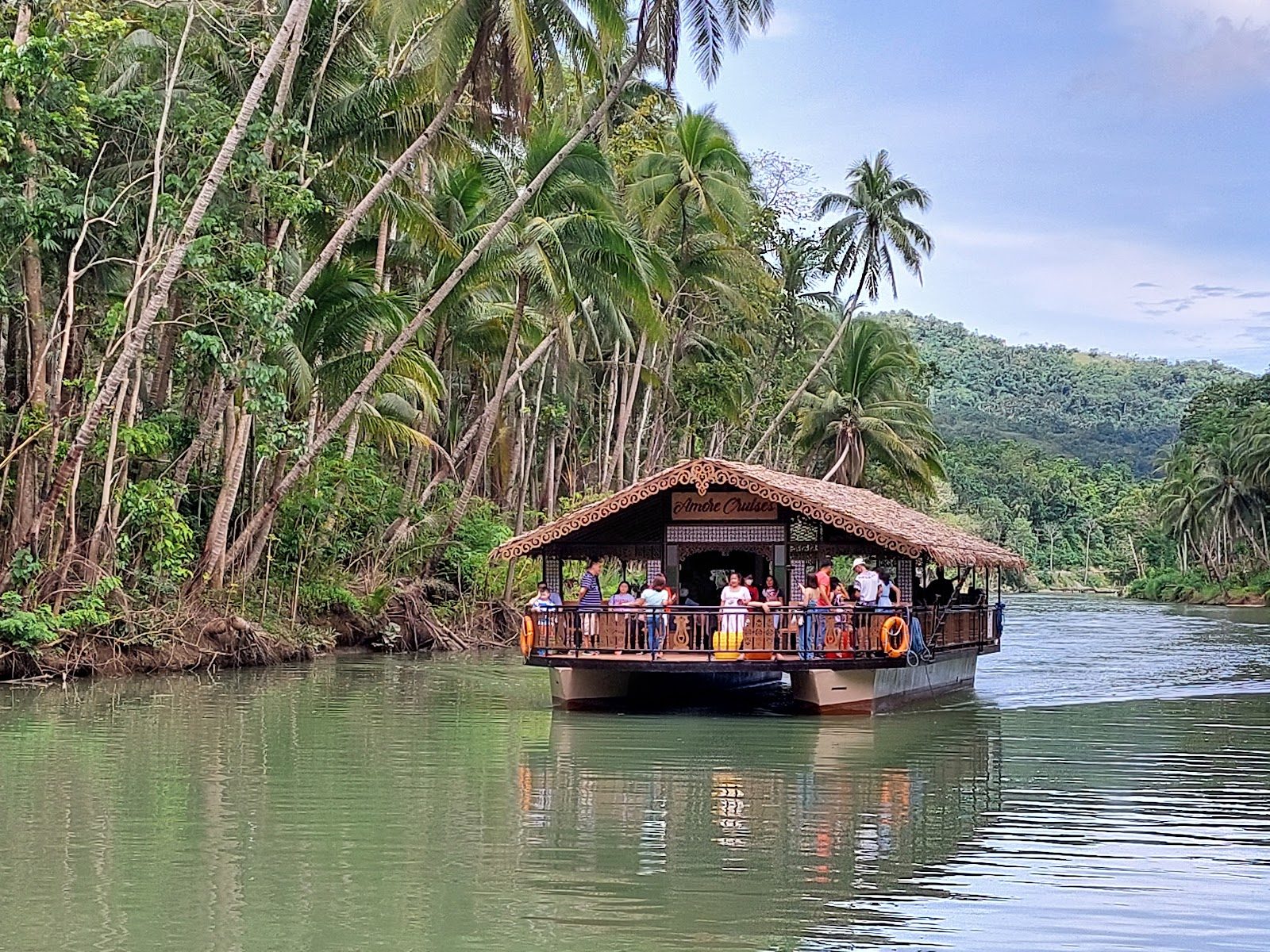
Quick answer
The strongest loboc river cruise photos come from the open-air deck during the first half of the journey, when morning or early afternoon light illuminates the bamboo forest canopy and nipa huts along the eastern bank. Shoot between 10:00 and 12:30 to avoid harsh overhead sun, use a fast shutter speed (1/250s minimum) to counter vessel motion, and position yourself at the bow or stern for unobstructed sightlines. The cultural performance stage and waterfall turn-around point offer secondary portrait opportunities with natural framing.
The floating restaurant format of the Loboc River experience creates a constraint most visitors underestimate: you're shooting from a moving platform with limited repositioning options once seated. The vessels drift at a steady pace through narrow channels flanked by dense bamboo groves and elevated nipa palm structures, meaning your best compositions appear and vanish within seconds. Unlike stationary viewpoints where you can wait for ideal conditions, the river cruise demands readiness and fast reaction times. Natural light on the Loboc changes character dramatically between mid-morning and mid-afternoon. The river runs roughly east-west through its photogenic stretch, so morning departures benefit from sidelight that brings out texture in the foliage and throws long shadows across the water. By 13:00, the sun sits nearly overhead, flattening contrast and creating harsh highlights on the polished bamboo decks. Photographers working with smartphone cameras will see the greatest difference in dynamic range during the 10:00 to 11:30 window, when the sensor can hold detail in both shaded riverbanks and bright sky. The bow and stern railings offer the cleanest sightlines, but most vessels assign seating by arrival order and group size. Solo travelers and couples gain flexibility here — request a table near the edges during boarding. The mid-deck dining area, where buffet service concentrates foot traffic, produces cluttered backgrounds and interrupts framing during the meal service. Wide-angle lenses (24-35mm equivalent) handle the confined deck space and capture the full sweep of the riverbanks, while a 50mm or tele lens isolates details like the traditional musicians on the performance raft or the stilted bamboo homes along the banks. The turnaround point near Busay Falls marks the visual climax of the route. The vessels pause here for several minutes, giving you stable footing for longer exposures or careful portrait compositions with the cascading water as a backdrop. This is also where most passengers move to the railings, so anticipate crowding and claim your position early. On the return leg, the light reverses — what was backlit becomes front-lit, altering the mood of the same scenes you passed earlier. Reviewing your image histogram in real time prevents blown highlights on the bright water surface, a common error when shooting under midday tropical sun.
“The river runs roughly east-west through its photogenic stretch, so morning departures benefit from sidelight that brings out texture in the foliage and throws long shadows across the water.”
Best Vantage Points for Loboc River Cruise Photos
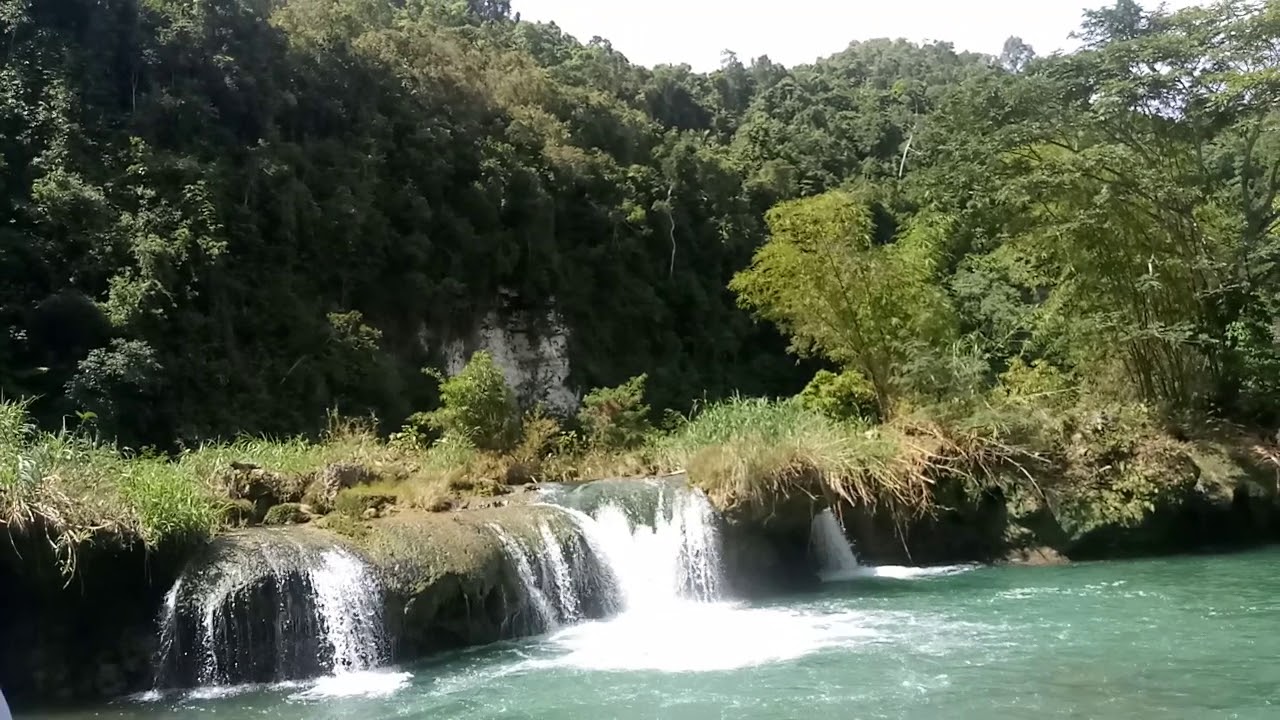
Busay Falls Arrival
Capture the cascading water from the bow of the boat as it reaches the turning point.
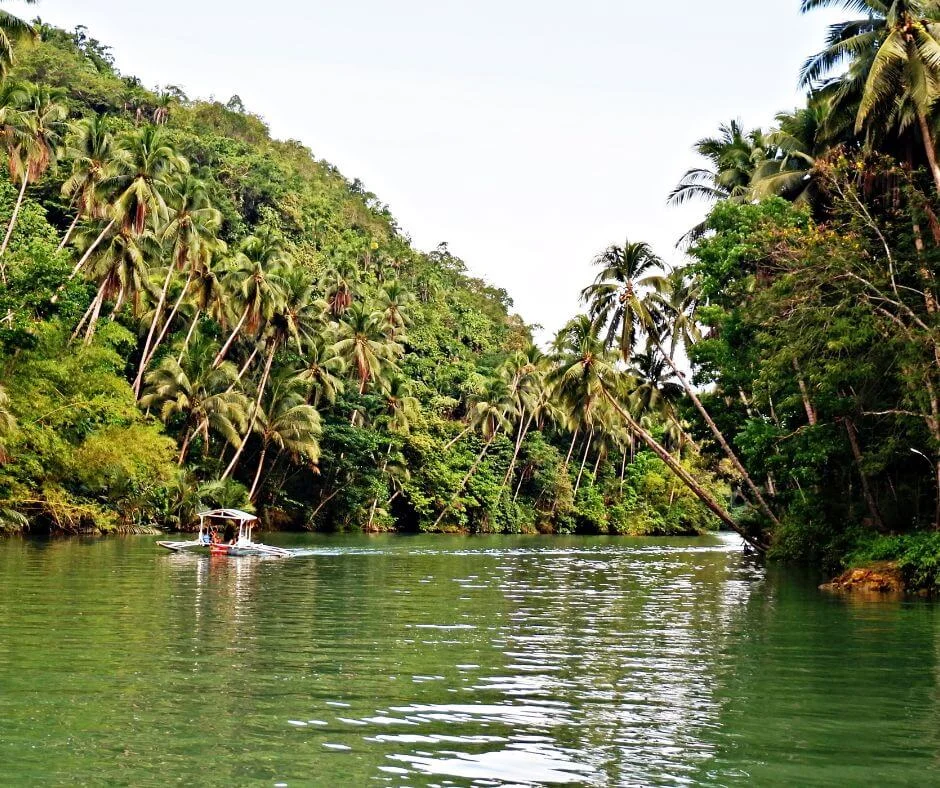
Riverbank Palm Reflection
Position yourself at the starboard side to frame the symmetrical palm tree reflections in the calm water.
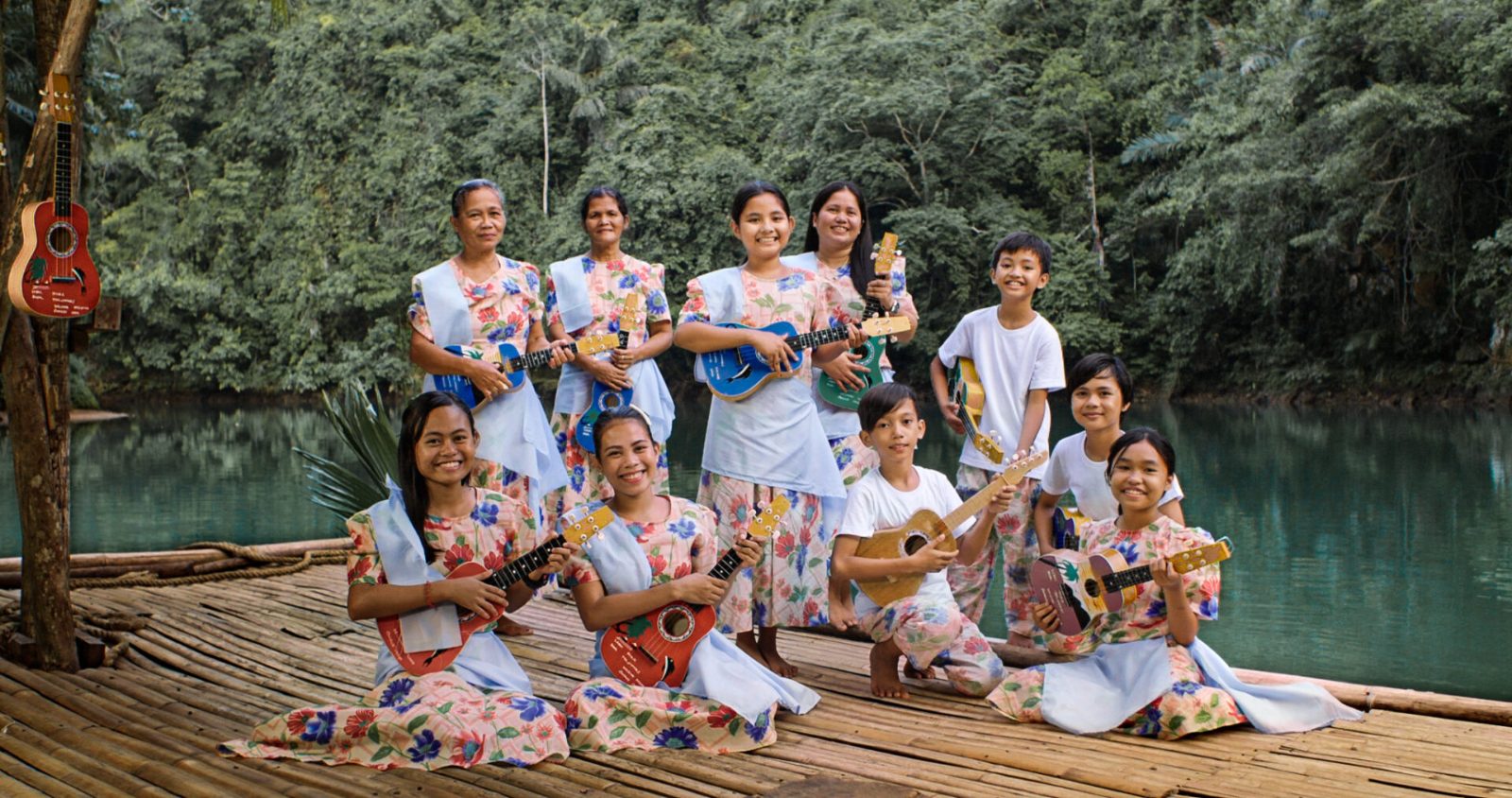
Traditional Cultural Stage
Photograph the local performers from the main deck while they dance against the dense jungle backdrop.
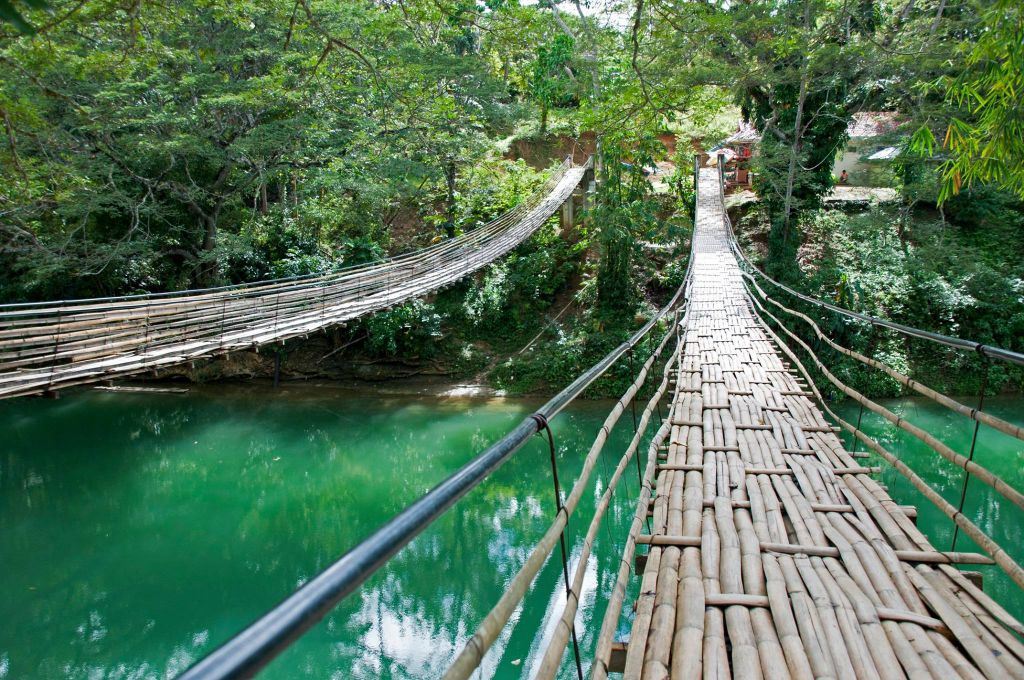
Suspension Bridge Backdrop
Frame the river bend as the boat passes underneath the riverside hanging bridges for a sense of scale.
Timing Your Visit for Loboc River Cruise Photos
Arriving within the 10:00–11:30 window provides the best light for photography while ensuring you capture the river scenery before the peak lunch hour crowds arrive. This early arrival window allows for clearer shots of the lush vegetation and calmer water reflections.
Weekday mornings
Minimal—
Fewer visitors allow for easier maneuvering on the boat for better photo angles.
Dry Season (Mar–May)
ModerateHigh sun, 32°C
Clear skies provide consistent lighting, though midday glare requires careful exposure settings.
Wet Season (Jun–Oct)
LowOvercast, 28°C
Cloud cover acts as a natural diffuser, reducing harsh shadows on the river surface.
Weekend afternoons
High—
Expect heavy foot traffic, which makes securing unobstructed views of the riverbanks more difficult.
Verdict: For the best photography conditions, plan your arrival between 10:00–11:30 on a weekday during the dry season months of March or April.
Daily Opening Hours for Loboc River Cruise Photos
The Loboc River Cruise operates daily, with slightly extended hours on weekends to accommodate visitor demand. Planning your photography schedule around these set operation times ensures you capture the river landscape during active cruise hours.
| Monday | 10:00–14:30 | |
|---|---|---|
| Tuesday | 10:00–14:30 | |
| Wednesday | 10:00–14:30 | |
| Thursday | 10:00–14:30 | |
| Friday | 10:00–14:30 | |
| Saturday | 10:00–15:00 | |
| Sunday | 10:00–15:00 |
Reaching the Site for Loboc River Cruise Photos
The Loboc River Cruise departure point is located in Loboc, Bohol, accessible via the main provincial roads connecting Tagbilaran City to the interior of the island. Travelers typically approach the site via private transport or public bus services departing from Tagbilaran.
Tagbilaran Integrated Bus Terminal to Loboc Public Market
Direct route via Bohol Circumferential Road from Tagbilaran
Private hire from Tagbilaran or Panglao
Check availability
Common questions about loboc river cruise photos
Everything you need to know about loboc river cruise photos